
For homeowners, strata managers, and property investors, understanding the difference can prevent avoidable tree stress, messy regrowth, and disputes with neighbours. It also helps them brief an arborist properly and get the outcome they actually want.
Do tree trimming and tree pruning mean the same thing in Sydney?
No, they do not always mean the same thing, even though many locals use the terms interchangeably. Tree trimming vs tree pruning usually comes down to purpose: trimming is often about shape and clearance, while pruning is about tree health and structure.
In Sydney, both services might be offered together, but the best operators will clarify the objective before cutting. That objective is what determines the cuts, not the label used on the quote.
What is tree trimming usually trying to achieve?
Tree trimming is typically aimed at managing size, appearance, and space. Tree trimming vs tree pruning is easiest to spot when the work focuses on keeping foliage neat, reducing overhang, or improving access.
Common trimming outcomes include tidier canopies, reduced shading, and clearance from roofs, gutters, driveways, and power lines. It is often done on fast-growing ornamentals and hedging-style trees where shape matters as much as biology.
What is tree pruning usually trying to achieve?
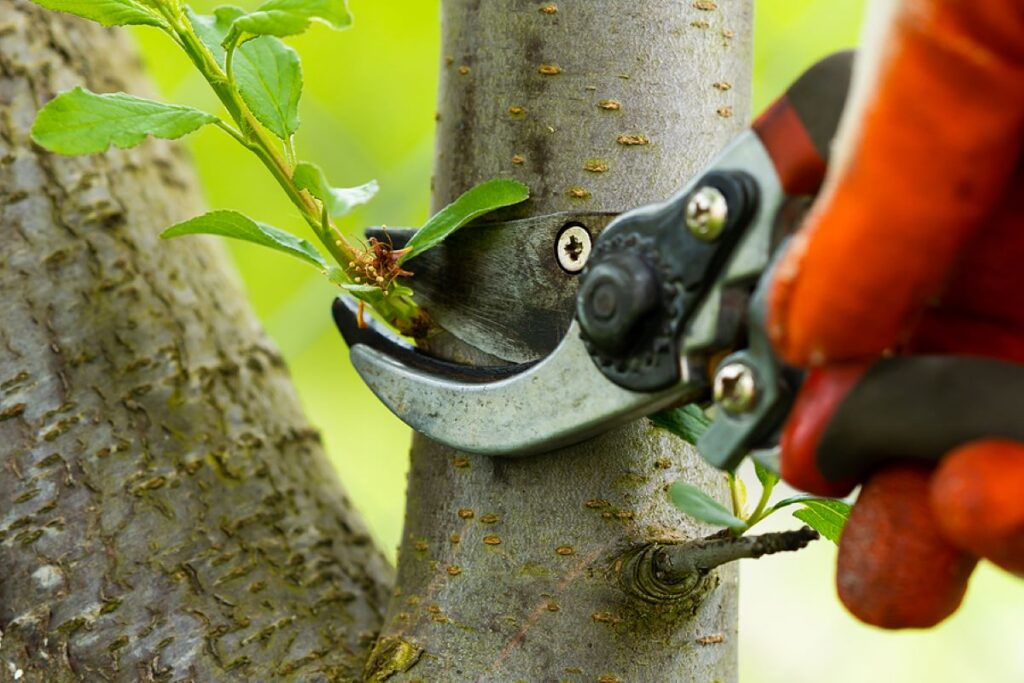
Tree pruning is usually about improving the tree’s health, safety, and long-term structure. When comparing tree trimming vs tree pruning, pruning is the one tied to removing deadwood, diseased limbs, weak unions, and poorly placed branches.
A good pruning plan considers branch collar cuts, weight reduction, and how the tree will respond over the next few seasons. Done properly, it can reduce failure risk, improve airflow, and encourage stronger growth patterns.
How do the cutting techniques differ in practice?
The techniques can look similar to a casual observer, but the intent changes the cut selection. In tree trimming vs tree pruning, trimming often uses lighter, more frequent canopy reductions or shaping cuts, while pruning prioritises selective removals that support structure.
Pruning should avoid random “topping” and focus on correct cut points that the tree can compartmentalise. Trimming can still be done well, but if it becomes excessive or indiscriminate, it can create dense regrowth and future hazards.
Does timing matter for trimming and pruning in Sydney’s climate?
Yes, timing matters, and Sydney’s mild winters and warm summers influence growth and stress. With tree trimming vs tree pruning, pruning is often timed to reduce disease risk and manage growth responses, while trimming may be scheduled around visibility, clearance, or seasonal growth flushes.
Some species respond best to pruning in cooler months, while others can be pruned after flowering to protect the next season’s blooms. A qualified arborist will also consider heatwaves, drought, and storm seasons before recommending major cuts.
Which one is better for safety and storm preparation?
Pruning is usually better for safety, because it targets structural faults and weak limbs. In tree trimming vs tree pruning, pruning is the option more closely linked with risk reduction before East Coast Low events, summer storms, or prolonged wind.
That said, trimming can improve clearance and reduce wind sail in dense canopies. The safest approach is a risk-based inspection that identifies defects first, then applies pruning or trimming as appropriate.
Which one is better for appearance and property presentation?
Trimming is often chosen for appearance, symmetry, and neat lines. When weighing tree trimming vs tree pruning, trimming tends to deliver quicker visual “tidy-up” results, especially for trees planted as feature screens.
However, pruning can also improve appearance by removing crossing branches, lifting the canopy cleanly, and reducing uneven weight. The key is avoiding harsh cuts that leave the tree looking stripped or unbalanced.
Are there legal or neighbour considerations in Sydney?
Yes, and they can be significant. For tree trimming vs tree pruning, the legal concern is less about the term and more about where the tree sits, what is being cut, and whether approvals are required.
In many Sydney councils, work on protected trees may need consent, and cutting branches over a boundary can still lead to disputes. They should check local council rules, any heritage or conservation overlays, and strata by-laws before scheduling major works.
How can someone choose the right service for their tree?
They should start with the outcome they want and the problem they are solving. In tree trimming vs tree pruning, trimming suits routine maintenance and clearance, while pruning suits health, hazards, and structural improvement.
It helps to ask an arborist for a clear scope: what branches will be removed, why those branches, and what the tree is expected to do afterwards. A proper written recommendation should mention tree condition, risk, and aftercare, not just “cut back 20%”.
What should they ask an arborist before approving the job?
They should ask for qualifications, insurance, and the exact pruning standard or method to be used. With tree trimming vs tree pruning, the quality gap shows up in whether the operator talks about structure, reduction points, and tree response.
Useful questions include: Which limbs are defective? Where will the reduction cuts be made? Will the work avoid topping? How will they manage weight distribution? What is the plan for green waste removal? Clear answers usually signal competent work.
What is the simplest way to remember the difference?
A simple rule works for most properties: trimming is for shape and space, pruning is for health and safety. That summary captures the core of tree trimming vs tree pruning without getting lost in jargon.
If they are unsure, they should describe the problem rather than request a label. The right provider will translate the goal into the correct cuts and timing for that species and site.
More to Read : Tree Lopping in Sydney: What You Need to Know Before You Book
