This guide covers what they should confirm before they hire anyone for tree lopping in Sydney.
What does “tree lopping” actually mean in Sydney?
In everyday use, people say “lopping” when they mean cutting back branches or reducing a canopy. In practice, many arborists avoid the term because it is often linked to harsh, unbalanced cutting that can stress a tree.
When they book tree lopping in Sydney, they should ask what work will be done and why, such as pruning for clearance, risk reduction, or removal. Clear scope matters more than the label.
When is tree lopping appropriate, and when is it a bad idea?
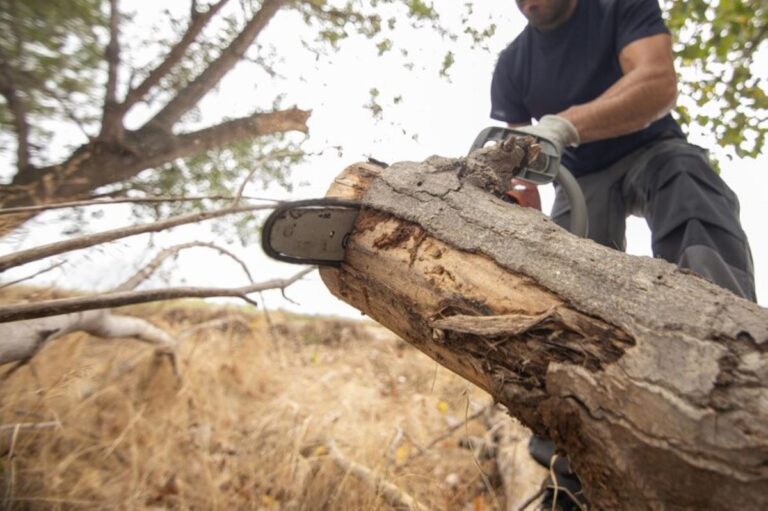
It is appropriate when specific branches create a clear issue, like roof clearance, powerline proximity, deadwood, storm damage, or a documented risk. It is a bad idea when the goal is simply to “take the top off” or reshape a tree quickly without a pruning plan.
If they want tree lopping in Sydney for more light or views, they should ask whether selective pruning can achieve the outcome without creating decay, weak regrowth, or instability. Property owners considering larger removals or complete tree management solutions can also explore https://treesdownunder.com.au/tree-removal/ for more information about professional tree removal services in Sydney.
Do they need council approval for tree lopping in Sydney?
Sometimes, yes. Many Sydney councils regulate pruning and removal for certain species, sizes, or trees in heritage or conservation areas. Rules vary by local government area, and penalties can be serious.
Before they book tree lopping in Sydney, they should check their council’s tree preservation controls and ask the contractor what approvals apply. If a contractor promises “no permits needed” without details, they should treat it as a red flag.
How can they tell if an arborist is properly qualified and insured?
They should look for an experienced arborist, not just a “tree cutter”. They can ask about relevant qualifications, recent similar jobs, and safety systems. They should also confirm public liability insurance and, if staff are used, workers’ compensation.
For tree lopping in Sydney, they should request proof of insurance and a written quote that matches what will be done on site. It is reasonable for them to walk away if documentation is vague.
What should be included in a quote for tree lopping in Sydney?
A good quote is specific. It should list the trees involved, the exact work (reduce, prune, remove), the method, and what happens to green waste. It should also clarify access needs, whether stump grinding is included, and if traffic or powerline coordination is required.
When comparing tree lopping in Sydney quotes, they should ensure like-for-like scope. The cheapest price often excludes cleanup, rigging, or disposal. Check out more about tree trimming vs tree pruning and whether they mean the same thing in Sydney.
How do they avoid damage to roofs, fences, and gardens?
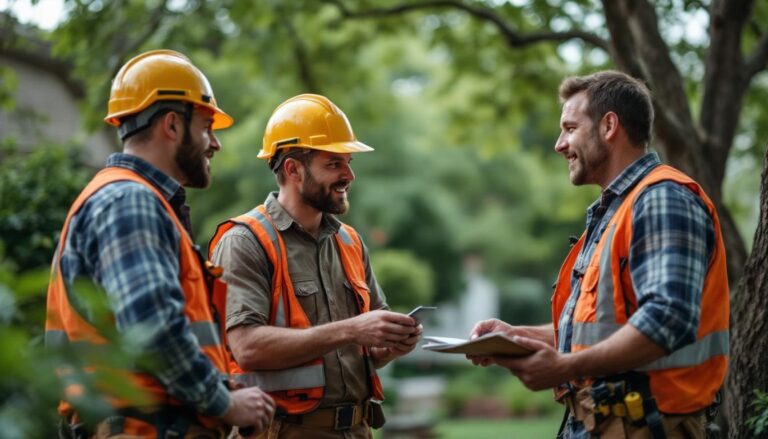
They should ask how the contractor will control the drop zone, protect structures, and manage ropes and rigging. If access is tight, they should confirm whether limbs will be lowered in sections rather than dropped.
With tree lopping in Sydney, damage usually comes from rushing or poor planning. They should confirm protective measures for tiles, gutters, paving, and garden beds before work starts.
What are the biggest safety risks, and who is responsible?
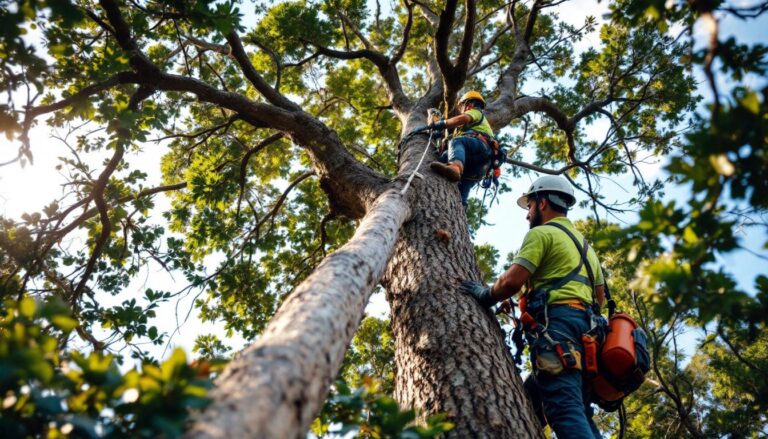
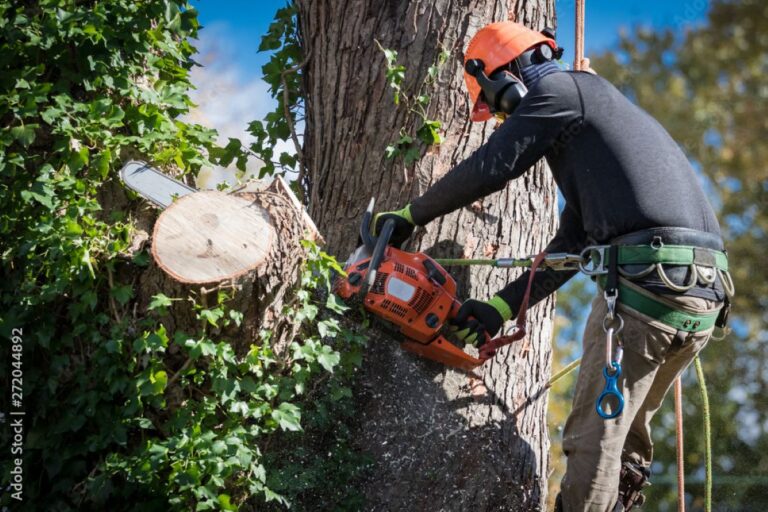
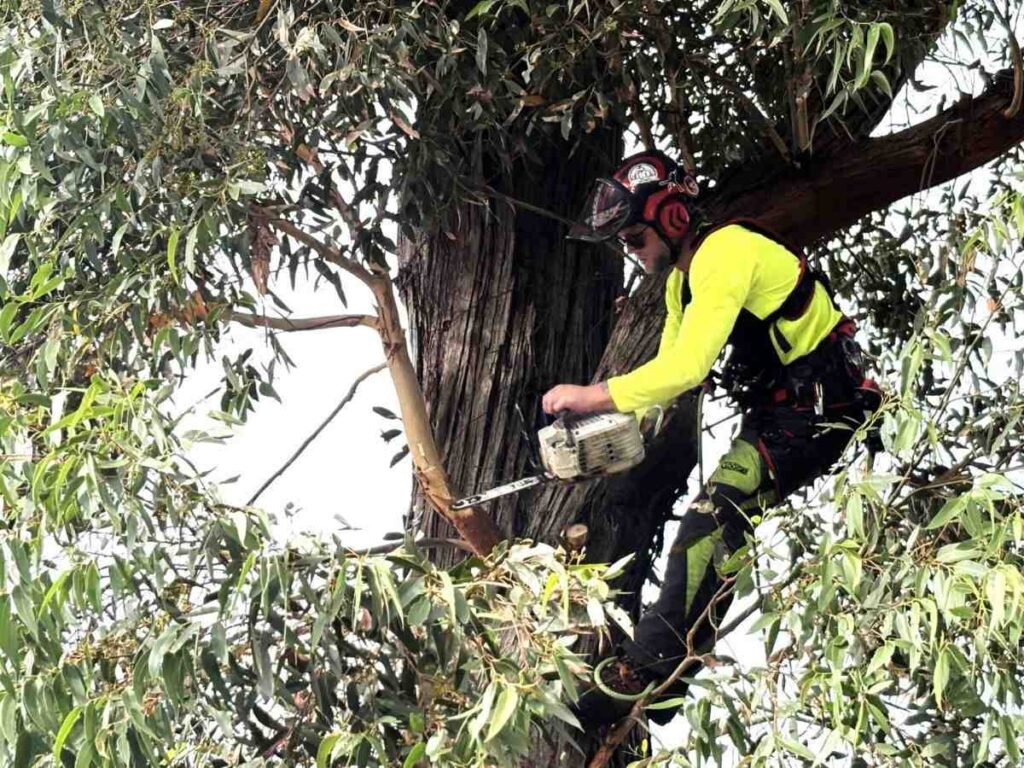
Key risks include falling limbs, chainsaw injuries, unstable trees, and proximity to power lines. On many properties, the safest approach requires rigging, elevated work platforms, and strict exclusion zones.
For tree lopping in Sydney, they should expect the contractor to manage site safety and communicate where people can and cannot stand. If the team appears casual about barriers and helmets, they should not proceed.
How should they handle neighbour concerns and boundary trees?
Trees near boundaries can create disputes about access, overhang, and shared responsibility. If a tree is on the boundary, they should confirm ownership and seek agreement in writing where possible.
Before booking tree lopping in Sydney, they should notify neighbours if access, noise, or debris could affect them. They should also confirm whether the contractor needs permission to enter the neighbour’s side.
What happens to the waste, and what should they request?
They should ask whether branches will be chipped, removed, or left as mulch, and whether logs can be retained for firewood where appropriate. They should also confirm if the quote includes raking, blowing down hard surfaces, and removing sawdust.
A tidy finish is part of professional tree lopping in Sydney. If they want the site left clean, they should ensure cleanup is written into the quote.
Other Resources : Don’t go bush for firewood
What questions should they ask before they book?
They should ask five practical questions:
- What is the exact scope, and what will the tree look like afterwards?
- Do approvals apply, and who handles them?
- What insurance is held, and can they provide certificates?
- How will risks, power lines, and property protection be managed?
- What is included in disposal and cleanup?
If the answers are unclear, they should keep looking. The best tree lopping in Sydney providers explain the plan in plain language and put it in writing.