
Most homes should book a professional termite inspection at least once a year. Higher risk properties often need inspections more frequently.
How often should they book a termite inspection in Sydney?
Most Sydney homeowners should book a termite inspection Sydney every 12 months. That annual cadence helps catch early activity before damage becomes expensive.
If the home sits in a higher risk area, or has a previous history of termites, six-monthly termite inspection Sydney checks are often the smarter choice. A licensed inspector can confirm the right interval after assessing the site.
Why does Sydney’s climate affect termite inspection frequency?
Sydney’s warm conditions and periodic humidity support termite activity for long stretches of the year. Termites do not need extreme weather to stay active, they just need moisture and access to timber.
After heavy rain, leaks, or humid spells, termite risk can rise because moisture makes timber easier for termites to colonise. That is why many inspectors recommend not stretching inspections beyond 12 months.
Which homes in Sydney should be inspected every 6 months?
Homes should consider six monthly inspections when risk factors stack up. Faster inspection cycles can reduce the time termites have to establish a concealed colony.
Common high risk triggers include:
- Prior termite activity on the property or nearby
- Older timber construction or subfloor timber framing
- Bushland, reserves, or dense garden beds close to the house
- Poor drainage, damp subfloors, or frequent plumbing leaks
- Extensions, pergolas, decks, or retaining walls with timber elements
If they are unsure, they can ask an inspector for a risk rating and a written recommendation on frequency.
How can they tell if their home is high risk for termites?
A property is usually high risk when termites have easy access, consistent moisture, and hidden pathways. Many Sydney homes unintentionally provide all three.
Signs of higher risk include soil or mulch bridging weepholes, gardens built up against brickwork, stored timber against walls, and subfloor ventilation that is blocked. Even small issues, like an air conditioning drain constantly wetting one corner, can push a home into a higher risk category.
What happens during a professional termite inspection?
A professional inspection is a systematic check of accessible areas for termite activity, damage, and conditions that attract termites. It is not only about finding termites, it is also about identifying why they might appear.
Inspectors typically examine the subfloor, roof void, internal wet areas, external perimeter, and timber structures such as decks and fences. They also look for mud tubes, damaged timber, moisture issues, and entry points, then provide a report with photos and recommendations.
Should they book inspections more often after renovations or landscaping?
Yes, renovations and landscaping often justify a sooner inspection. Any change that disturbs soil, alters drainage, or adds timber can increase termite risk.
Examples include new decks, pergolas, garden beds, paths, retaining walls, and bathroom or kitchen plumbing work. A good rule is to book an inspection shortly after major works, then return to the usual schedule recommended for the property. Check out more about Landscape Gardeners
Do termite barriers or treatments replace regular inspections?
No, barriers and treatments reduce risk, but they do not remove the need for inspections. Termites can exploit gaps, bridging, and changes over time.
Physical barriers can be compromised by renovations, cracking, or landscaping. Chemical zones can degrade, be disrupted, or be bridged by moisture and soil movement. Regular inspections verify that protection is still working and that conditions around the home have not changed.
When should they book an inspection immediately rather than waiting?
They should book immediately if there are warning signs or sudden moisture issues. Waiting can turn a small problem into structural damage.
Urgent reasons to book include:
- Mud tubes on walls, piers, or brickwork
- Soft, hollow sounding timber, bubbling paint, or warped skirting
- Flying termites or discarded wings, especially near windows
- Persistent leaks, damp subfloors, or drainage problems
- Neighbours reporting termite activity nearby
Even if the issue turns out to be moisture damage or ants, it is safer to confirm quickly.
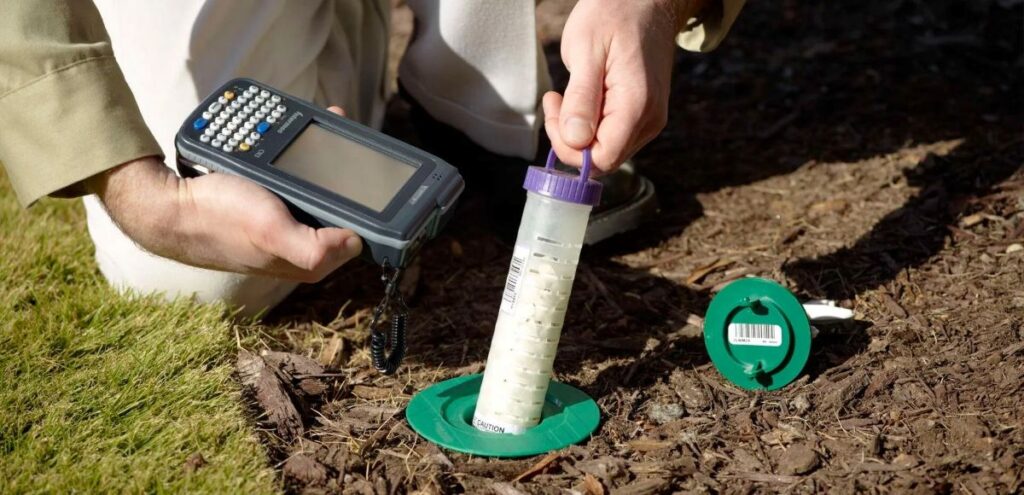
What is a practical termite inspection schedule for most Sydney homeowners?
A practical default is a professional inspection every 12 months, timed to suit access and weather. Many homeowners book the same month each year so it becomes routine.
For higher risk homes, a six monthly schedule is usually more appropriate, especially where there is a history of termites or persistent dampness. The best schedule is the one they can follow consistently, because consistency is what reduces the chance of hidden, long term damage.
How can they reduce termite risk between inspections?
They can lower risk by removing the conditions termites love: moisture, concealed access, and timber contact with soil. Small maintenance habits make inspections more effective.
Useful steps include fixing leaks quickly, keeping weepholes clear, improving drainage, avoiding timber storage against the house, and keeping garden beds below the slab edge. If they maintain clear sight lines around the external perimeter, an inspector is also more likely to detect early activity.
More to Read : How Often Should You Schedule Pest Control Marrickville?
FAQs (Frequently Asked Questions)
How often should Sydney homeowners book a termite inspection?
Most Sydney homeowners should schedule a professional termite inspection every 12 months to catch early termite activity before it causes expensive damage. For higher risk properties, inspections every six months may be recommended by a licensed inspector after assessing the site.
Why does Sydney’s climate impact the frequency of termite inspections?
Sydney’s warm climate and periodic humidity create ideal conditions for termites to remain active for long periods. Moisture from heavy rain, leaks, or humid spells increases termite risk by making timber easier to colonise, which is why inspections are advised at least annually and sometimes more frequently.
Which homes in Sydney require termite inspections every six months?
Homes with higher risk factors such as prior termite activity, older timber construction, proximity to bushland or dense gardens, poor drainage, frequent plumbing leaks, or timber elements like decks and pergolas should consider six monthly termite inspections to reduce the chance of concealed colonies establishing.
What does a professional termite inspection in Sydney involve?
A professional termite inspection includes a systematic check of accessible areas such as subfloors, roof voids, internal wet areas, external perimeters, and timber structures. Inspectors look for signs like mud tubes, damaged timber, moisture issues, and entry points, then provide a detailed report with photos and recommendations.
Do termite barriers or treatments eliminate the need for regular inspections?
No. While physical barriers and chemical treatments reduce termite risk, they do not replace the need for regular inspections. Barriers can be compromised by renovations or soil movement, and chemical zones can degrade over time. Regular inspections ensure ongoing protection and identify any new risks.
When should Sydney homeowners book an immediate termite inspection?
Homeowners should book an immediate inspection if they notice warning signs such as mud tubes on walls or brickwork, soft or hollow sounding timber, bubbling paint, flying termites or discarded wings near windows, persistent leaks or dampness, or if neighbours report nearby termite activity. Prompt action helps prevent serious structural damage.