How often should they schedule pest control in Marrickville?
In most cases, they should schedule pest control every 6 to 12 months for general prevention. Homes with recurring issues, shared walls, or nearby food sources often do better on a quarterly plan.
A yearly visit can be enough when there are no signs of activity and the home is well-sealed. A 3-month cycle suits households that want consistent monitoring and faster intervention.
When does quarterly pest control make more sense than annual treatments?
Quarterly pest control Marrickville usually makes more sense when pests are likely to return quickly. This is common in high-activity areas and properties that offer easy shelter, moisture, or food.
They may prefer quarterly visits from a pest control Marrickville provider if the home is close to restaurants or laneways, has a subfloor, has a history of cockroaches or rodents, or includes multiple units in one building. Regular check-ins reduce the chance of a small issue becoming a full infestation.
How does the type of pest change the schedule?
Different pests rebound at different speeds, so the schedule should match the risk. General spraying once a year is not always enough for pests with fast breeding cycles.
Cockroaches often justify 3 to 6-month programs, especially in kitchens and apartments. Rodents may need follow-up within weeks, then monitoring every few months. Ants can require multiple visits in a season if nests are active. Termites are different and rely heavily on inspections and ongoing protection systems.
How often should they book termite inspections in Marrickville?
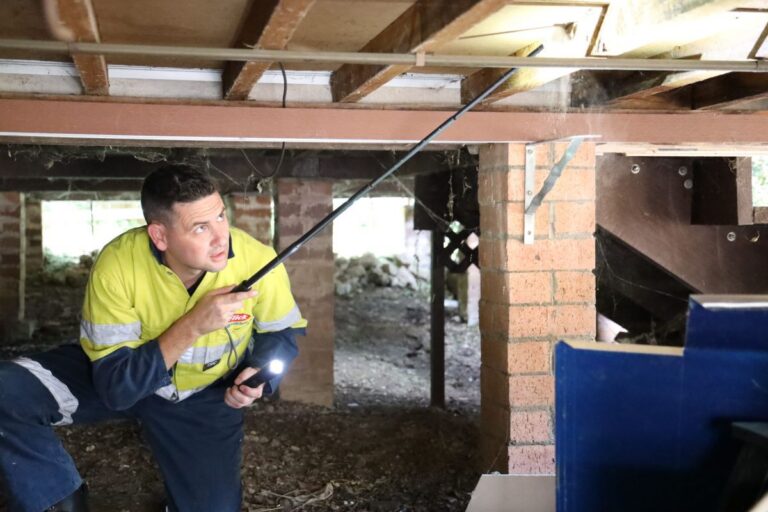
They should book a termite inspection at least once a year. If the property has a history of termite activity or sits near bushy corridors, older timber, or damp sub-areas, they may choose every 6 months.
Annual inspections help catch early signs before structural damage becomes expensive. Even when there are no termites visible, inspections matter because termite activity is often hidden.
What property factors in Marrickville increase pest risk?
Pest pressure rises when a home has easy entry points, moisture, and hidden voids. Marrickville properties vary, but several features commonly increase risk.
Older homes with gaps, weathered doors, and subfloors attract rodents and cockroaches. Apartments with shared walls can experience cross-unit movement. Gardens, compost, pet food areas, and outdoor storage create steady food and shelter. Poor drainage and leaks raise the odds of cockroaches and termites. You may like to visit https://www.foodauthority.nsw.gov.au/retail/animals-food-premises to learn more about animals in food premises.
What signs tell them to schedule pest control sooner?
They should schedule pest control sooner if there are clear activity signals. Waiting usually allows populations to grow and spread.
Common signs include droppings, scratching noises at night, new holes or gnaw marks, musty odours, live insects in daytime, shed wings near windows, and trails of ants returning to the same spots. Even a single rodent sighting can justify prompt action because it often indicates more activity nearby.
What seasonal timing works best for pest control in Marrickville?
They usually get the best prevention by treating before peak pest seasons. Timing helps reduce the first wave of activity rather than chasing it afterward.
Spring and early summer are popular for general barriers because insect activity increases as temperatures rise. Autumn is useful for rodents as they seek warmth and shelter. Termite risk can remain year-round, so inspections should be scheduled consistently rather than only in one season.
Should they choose a one-off treatment or an ongoing plan?
An ongoing plan is often better when they want predictable prevention and faster support. One-off treatments can work for isolated issues, but they do not always stop re-entry.
Ongoing plans typically include routine inspections, targeted treatments, and advice on sealing entry points. They also help track patterns, like where rodents enter or which rooms trigger cockroach activity. For households that prefer fewer surprises, a scheduled plan is usually the calmer option. You may like to visit https://georgiasno1agent.com/termite-inspection-sydney-home/ to learn how often should you book a termite inspection Sydney for your home?.
How can they reduce the number of pest control visits they need?
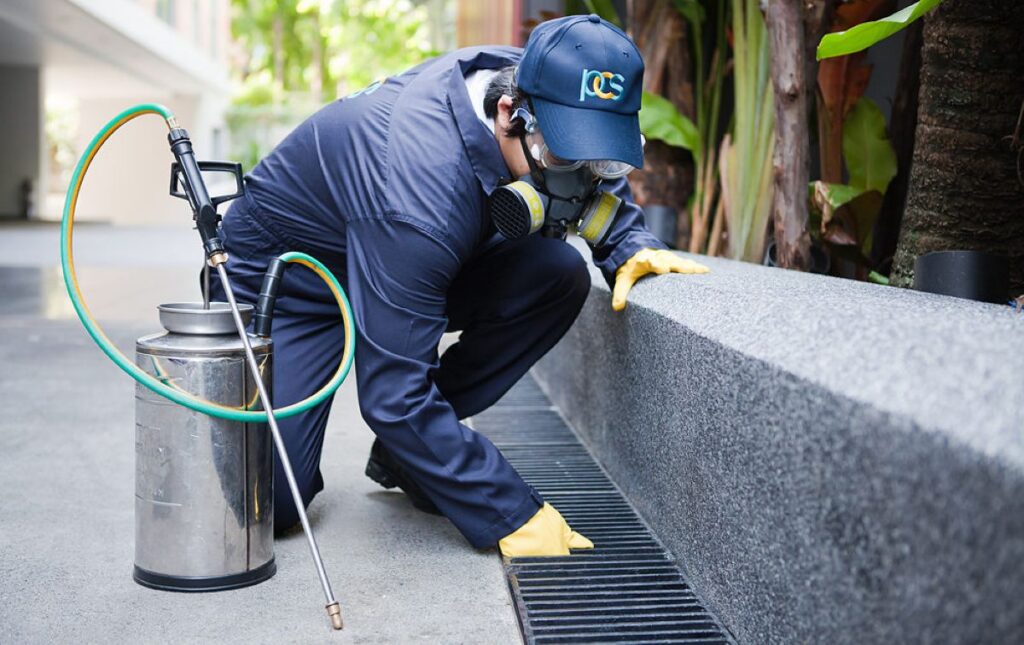
They can often reduce visits by removing the conditions pests rely on. Pest control works best when treatment and prevention habits support each other.
They can seal gaps around pipes and doors, fix leaks, improve ventilation, store food in sealed containers, and keep bins tightly closed. Outdoor areas matter too, so trimming plants away from walls and reducing clutter can help. These steps can turn a quarterly schedule into a 6 to 12-month routine over time.
How should they decide the right schedule with a local provider?
They should base the schedule on inspection findings, pest history, and risk factors unique to the property. A good provider typically recommends a plan that matches what they see, not a one-size option.
They can ask what pests are most likely in their street, what follow-ups are included, and how long results should last. If the property has shared walls or ongoing activity, they can request a program that includes monitoring and adjustments across the year.
FAQs (Frequently Asked Questions)
How often should households in Marrickville schedule pest control services?
Most households in Marrickville benefit from scheduled pest control every 6 to 12 months for general prevention. However, properties with recurring pest issues, shared walls, or proximity to food sources often require a more frequent quarterly plan to effectively manage pests.
When is quarterly pest control more effective than annual treatments in Marrickville?
Quarterly pest control makes more sense in high-activity areas or properties that provide easy shelter, moisture, or food for pests. Homes near restaurants or laneways, those with subfloors, a history of cockroaches or rodents, or multiple units typically benefit from quarterly visits to prevent minor issues from escalating into full infestations.
How does the type of pest influence the pest control schedule in Marrickville?
Pest control schedules should align with the breeding and rebound rates of specific pests. For example, cockroaches often require treatments every 3 to 6 months, rodents may need follow-ups within weeks plus ongoing monitoring, ants might need multiple visits during active seasons, while termites rely heavily on regular inspections and continuous protection systems.
What is the recommended frequency for termite inspections in Marrickville?
Termite inspections should be booked at least once a year in Marrickville. Properties with a history of termite activity or those near bushy corridors, older timber structures, or damp sub-areas may benefit from inspections every 6 months to catch early signs before costly structural damage occurs.
Which property factors in Marrickville increase the risk of pest infestations?
Properties with easy entry points such as gaps around doors and windows, moisture problems like leaks and poor drainage, hidden voids like subfloors, older structures with weathered features, apartments with shared walls, gardens, compost areas, pet food storage, and outdoor clutter all increase pest risk by providing shelter and food sources.
What signs indicate that residents should schedule pest control sooner in Marrickville?
Residents should consider scheduling pest control promptly if they notice droppings, scratching noises at night, new holes or gnaw marks, musty odors, live insects during the day, shed wings near windows, ant trails returning to the same spots, or even a single rodent sighting—since these signs often indicate growing pest populations requiring immediate action.